
Consultancy for ESIA
The consultancy focuses on baseline studies, environmental monitoring, and climate change assessments to ensure successful implementation and sustainable impact
Consultancy Services for Baseline Survey and Monitoring of Environmental, Climate Change, Social and Economic Impacts for the Proposed Upgrading of the Elwak-Rhamu (142km) Road Section In Mandera – Multinational Horn of Africa Isiolo-Mandera Corridor El Wak-Rhamu Road Upgrading Project
The consultancy for the El Wak – Rhamu Road Upgrading Project encompasses three key sub-components:
Baseline (Social and Economic Impact) Studies,
Environmental and Social Management Plan Implementation Monitoring, and
Climate Change assessment.
The consultancy focuses on baseline studies, environmental monitoring, and climate change assessments to ensure successful implementation and sustainable impact. Several expected outputs and outcomes are anticipated across the three main components.
Expected Outputs and Outcomes
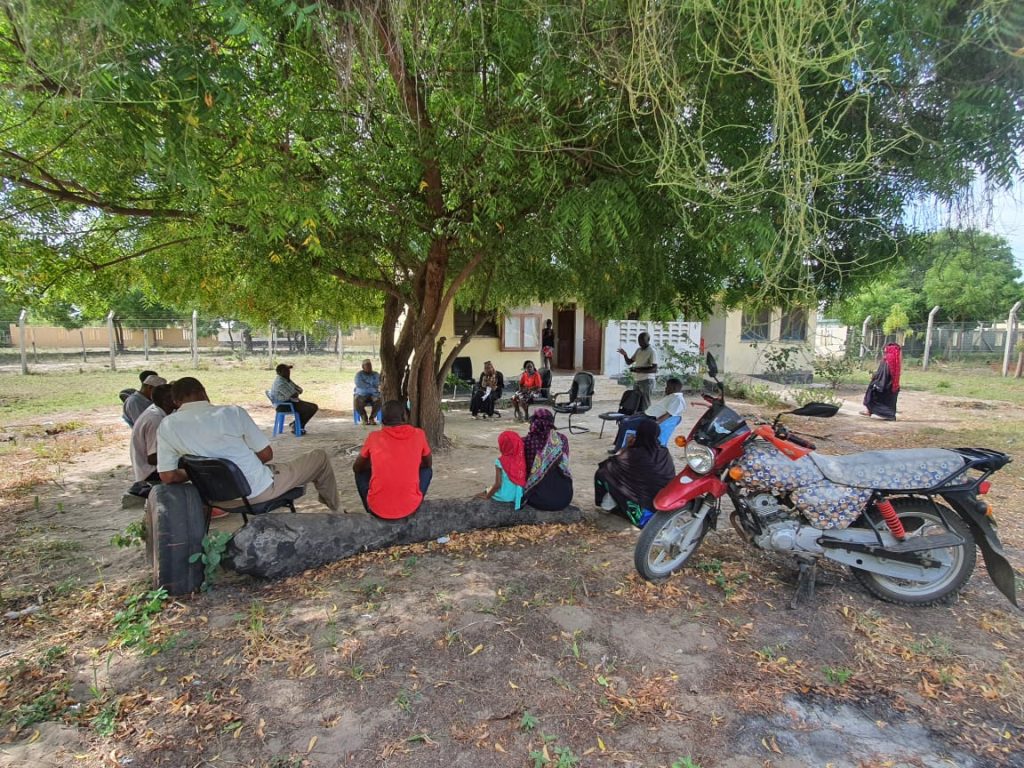
In the social and economic impact studies, the project aims to document the current status of socio-economic indicators, conduct follow-up surveys to analyze pre and post-intervention situations, and evaluate the impacts associated with the completion of the road project. These efforts will provide valuable insights into the project’s effects on accessibility, mobility, road safety, and various socio-economic factors at both the macro and micro levels.
The environmental and social management plan implementation monitoring will ensure compliance with environmental safeguards, track project performance, and provide oversight during implementation. Through regular monitoring, compliance reports, and stakeholder engagement, the project shall mitigate environmental and social risks effectively.
In addressing climate change, the project will propose technical measures to climate-proof the road, estimate emissions reduction, and identify capacity-building needs for enhancing resilience. By incorporating adaptive measures and sustainable practices, the project shall minimize its carbon footprint, meet national targets, and build long-term resilience against climate change impacts, thus ensuring the sustainability and effectiveness of the road infrastructure in the face of evolving environmental challenges.