
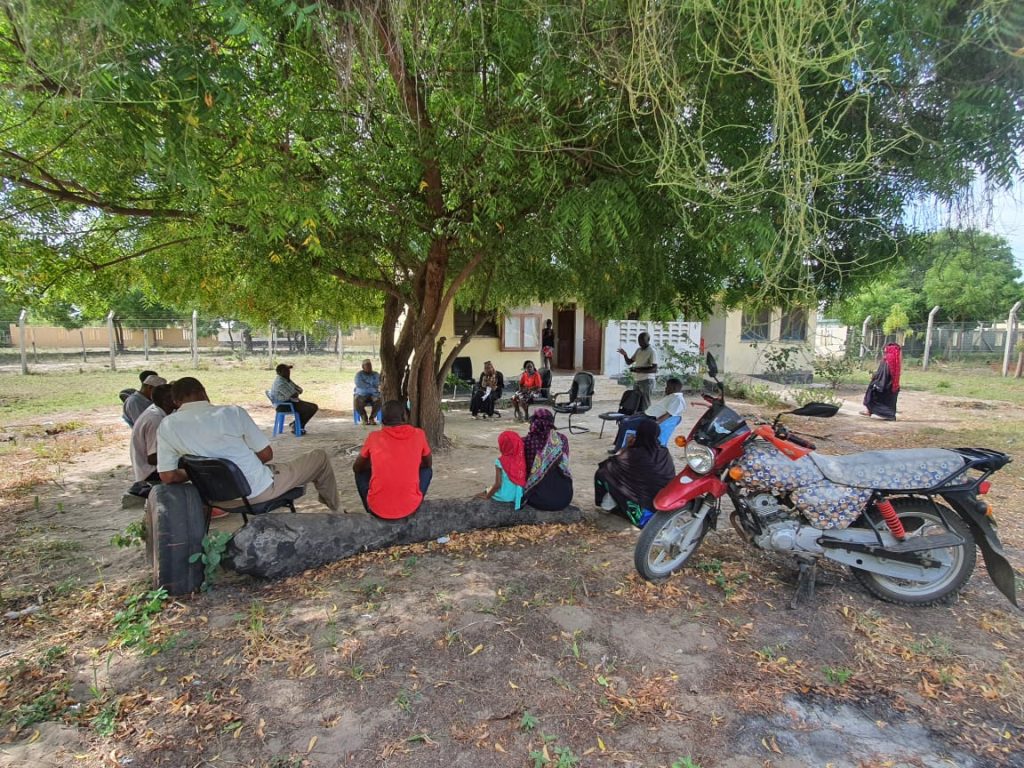
Project Evaluation
Consultancy for Midterm evaluation of the Green Zones Development Support Project Phase II (GZDSP II) which is funded by African Development Bank (AfDB) and the Government of Kenya (GoK) with the aim of improving forest conservation and livelihoods for sustainable forest management across 16 counties.
Consultancy For Midterm Evaluation of Green Zones Development Support Project Phase II – Kenya Forests Service
The Nairobi Sewerage Improvement Project phase II (NaRSIP II) is part of the larger Nairobi Rivers Basin RehabGreen Zones Development Support Project Phase II (GZDSP II) is funded by African Development Bank (AfDB) and the Government of Kenya (GoK) with the aim of improving forest conservation and livelihoods for sustainable forest management.
GZDSP II is implemented in fifteen counties in Kenya namely; Embu, Meru, Machakos, Tharaka-Nithi, Nyeri, Murang’a, Kirinyaga, Kiambu, Nyandarua, Nakuru, Baringo, Kericho, Bomet, Nyamira and Kisii. These counties cover four forest conservancies and three water towers including, Mt. Kenya, Aberdares, and the Mau complex. The counties were selected based on levels of forest degradation, social economic and environmental vulnerability.
Project Goal and Objectives
The overall project goal is to improve forest conservation and livelihoods for sustainable forest management in fifteen counties in Kenya.
The project specific objectives are:
- To enhance forest conservation and livelihood support for climate change resilience and
- To develop timber, bamboo, potato, cereals and pulses value chains for improved household incomes.
Key Components
In order to achieve its objectives, the project is implemented in three components as detailed below:
- Component 1: Forest Conservation and Livelihood Support for Climate Change Resilience: This component aims to increase the forest cover through forest rehabilitation and enhanced management, promotion of bamboo for conservation and commercialization, forest infrastructure development and enhanced community livelihoods through income generation activities. This component has four outputs which are: (i) Rehabilitation of degraded forest areas, (ii) Bamboo production for conservation and commercialization, (iii) Development and rehabilitation of forest infrastructure and (iv) Community capacities and livelihoods improvement.
- Component 2: Sustainable and Inclusive Value Chain Development: This component supports the use of efficient production, processing and utilization of technologies, development of marketing infrastructure and capacity enhancement along value chains. The project concentrates on several value chain streams including timber, bamboo, horticulture (potato), and selected cereals and pulses value chains, whose production systems is through agroforestry. This component has two outputs namely (i) Improved value addition of timber and bamboo products and (ii) value addition for selected food security crops.
- Component 3: Project Management and Coordination: This component oversees the effective implementation and management of the project activities. This provides support to project infrastructure, technical support, staff capacity development as well as ensure the monitoring and evaluation of the project.